3 hr
Whale & Dolphin Watching Expedition
Search for sperm whales, dolphins, and sea turtles on a marine wildlife adventure in the Atlantic
Reserve
Track the Atlantic's largest toothed predator, where volcanic trenches meet open migration routes
Hand-picked by our editors — only the best 6 whale-watching operators from 18 reviewed.
Verified partners for Sperm Whale Watching Azores tours, free cancellation where available, and instant confirmation on every booking.
3 hr
Search for sperm whales, dolphins, and sea turtles on a marine wildlife adventure in the Atlantic
Reserve
3 hr
Track whales and dolphins with expert biologists, then circle the volcanic Princess Ring Islet
Reserve
3 hr
Track ocean giants from a catamaran guided by coastal spotters and expert crew in prime Atlantic waters
ReservePrices from verified partners. Availability updates in real time at checkout. Free cancellation policies apply where shown.
The landmarks, rooms, and views travelers on Sperm Whale Watching Azores tours remember — all visible on a single visit.
Elevated platform providing panoramic views of the harbor and departing vessels.
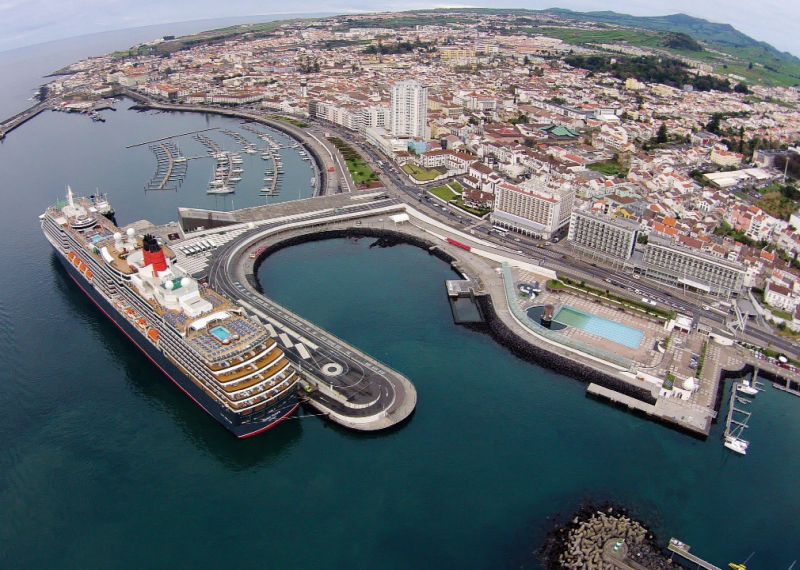
The primary location for booking and coordinating sperm whale watching azores tours.
Scenic spot along the marina to watch the local marine life activity.
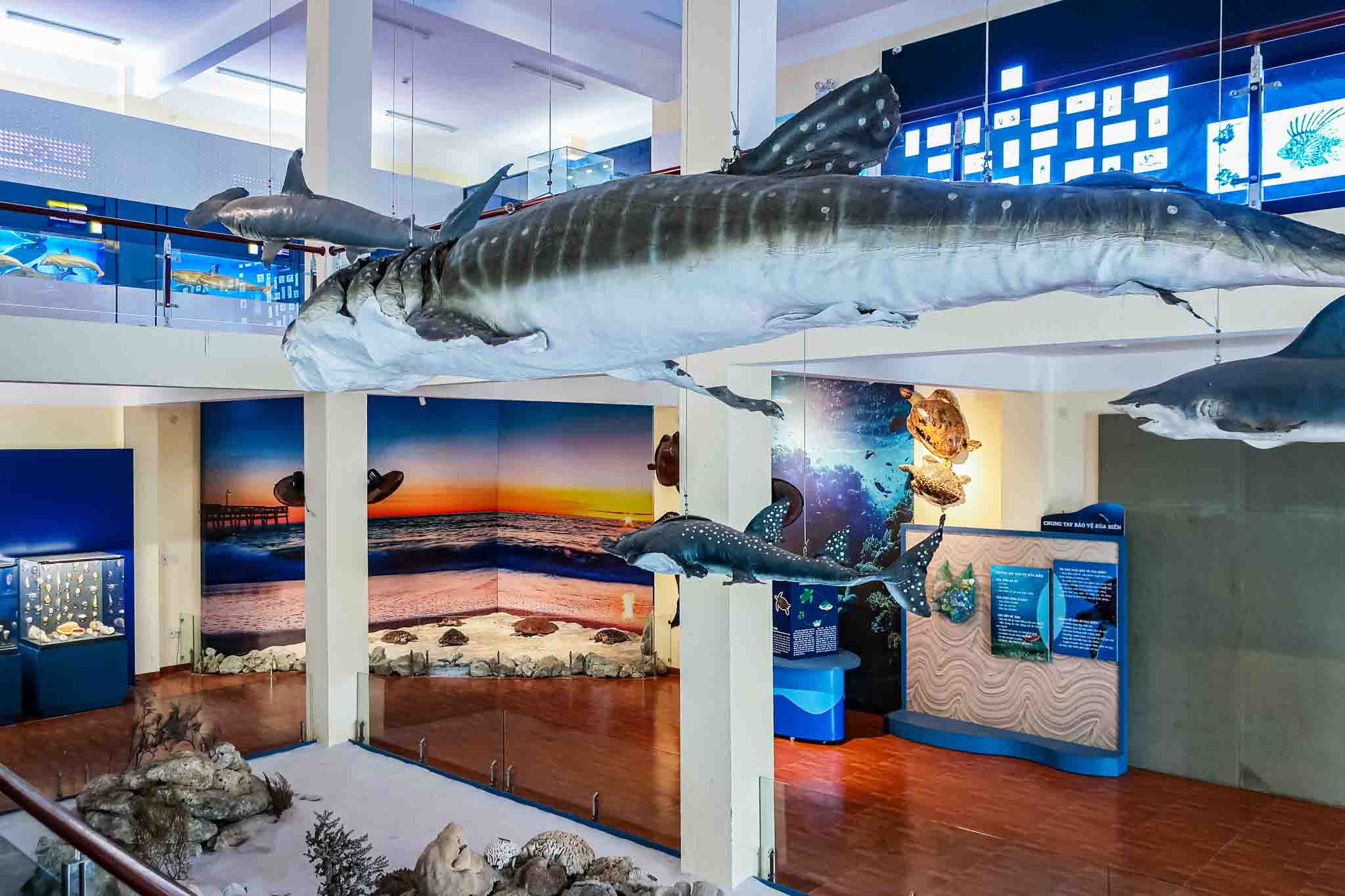
Educational facility displaying skeletal remains and research on local species.
Walkway connecting the marina to the historic city center of Ponta Delgada.
Every Sperm Whale Watching Azores tour side-by-side — duration, what's included, how you redeem.
| Experience | Duration | Rating | Guide | Free cancel. | Price | |
|---|---|---|---|---|---|---|
|
Standard Entry Most popular
Whale & Dolphin Watching Expedition
|
3 hr | ★ 4.6 | ✓ | ✓ | €70 | Book → |
|
Standard Entry
Azores Whale Watching with Marine Biologist
|
3 hr | ★ 4.7 | — | ✓ | $75 | Book → |
|
Standard Entry
São Miguel Whale Watching with Marine Biologist
|
3 hr | ★ 4.6 | — | ✓ | €65 | Book → |
All prices from verified partners. Availability and exact terms confirmed at checkout.
They complement each other, though travelers prioritizing specialized tracking often prefer the dedicated sperm whale watching azores tour, while those seeking variety enjoy broader marine excursions. Choosing between these sperm whale watching azores tickets and general expeditions depends on whether you seek deep focus on a single apex predator or a wider glimpse of local biodiversity.
| Feature | Top pick Sperm Whale Focus | Multi-Species Marine Life Tours |
|---|---|---|
Target Species |
Sperm Whales | Dolphins and migratory cetaceans |
Experience Focus |
Species-specific behavioral tracking | General wildlife observation |
Duration |
2.5–3.5 hours | 2–3 hours |
Vessel Size |
Zodiac or semi-rigid | Large catamarans or rigid boats |
Observational Distance |
Maintained strictly to local regulations | Regulated to protect marine mammals |
Conservation Approach |
Research-based encounter protocols | Eco-education and general observation |
| See tickets → |
Verdict: If your goal is to observe the iconic residents of the Atlantic, the sperm whale watching azores tours provide a specialized encounter, whereas multi-species trips offer higher frequency of sightings for diverse marine life.
Choose your ticket, select your date, and reserve in under two minutes. Secure checkout handled by our verified partner.
Instant confirmation by email, with a mobile voucher you can save offline. No printing, no queuing at a collection desk.
Arrive at the entrance, show your voucher on your phone, and walk in. Most tickets include priority or skip-the-line access.
Practical details for Sperm Whale Watching Azores tickets straight from our verified partners — hours, access, rules, and how to get there.
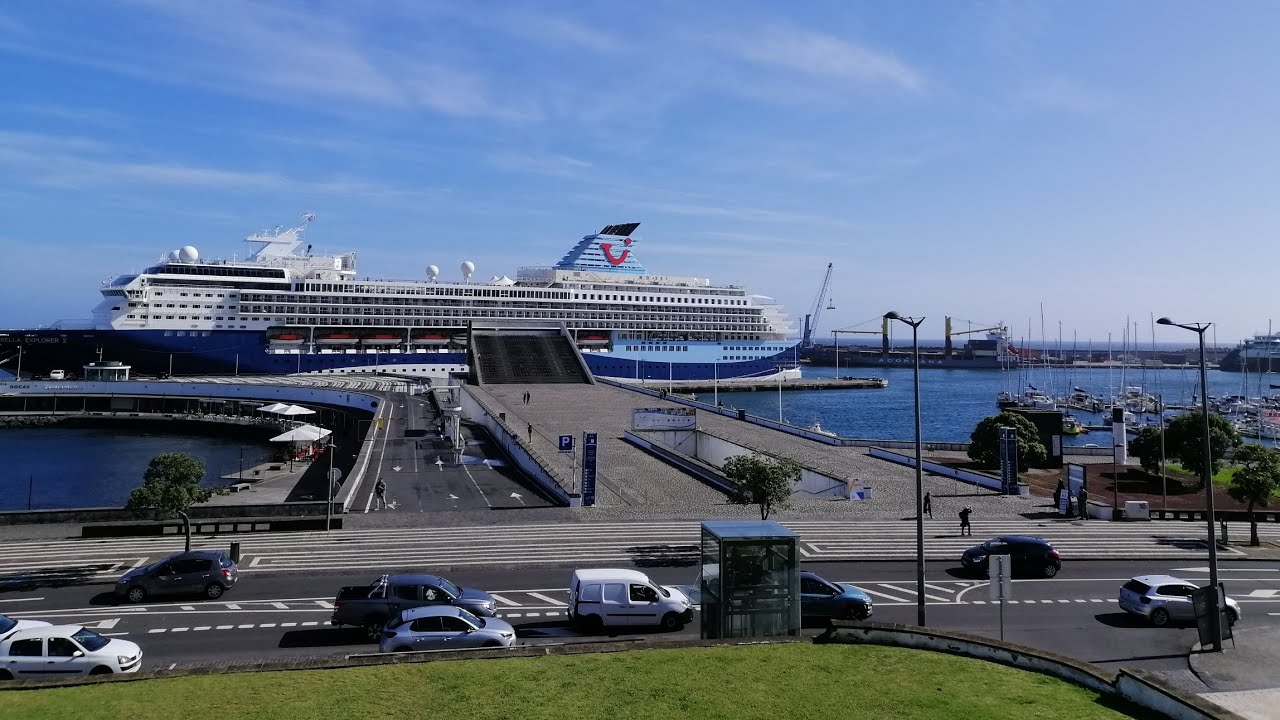
Marina Pêro de Teive, Portas do Mar
Main hub for boat departures
Open in Google MapsParking available at Portas do Mar lot
Available throughout Ponta Delgada
Wear warm, windproof clothing even in autumn as temperatures drop significantly at sea. Sturdy, non-slip footwear is essential for safety on deck.
Only small, waterproof backpacks are permitted on board. All personal items should be secured during transit to prevent loss overboard.
Photography is encouraged, but ensure equipment is protected from salt spray. Use a neck strap to secure cameras while observing marine wildlife.
Accessing boats often requires navigating steep gangways or steps. Operators should be notified of mobility limitations prior to booking.
Mobile phones are permitted for photos but should be kept in waterproof pouches. Reception is limited once the boat moves away from the coastline.
Children are welcome on many sperm whale watching azores trips, but age restrictions may apply based on sea conditions. Life jackets sized for children are provided.
Bring reusable water bottles and light snacks for the trip. Onboard food service is rarely available, so consume meals before departure.
Pets are strictly prohibited on all whale watching vessels. Please arrange for local pet care before your excursion.
Arrival before 13:00 is recommended for the best experience. The sperm whale watching azores experience depends entirely on weather and visibility.
Marina Pêro de Teive, Portas do Mar
Main hub for boat departures
Get directionsBest time to go, insider tips, nearby landmarks, and the cancellation fine print — flip through to skim what matters to you.
How crowds, weather, and events shift across the year.
April to June offer high frequency of whale sightings.
July to September feature warm water and stable, sunny weather.
September through October provide calmer seas after peak summer months.
November to March have unpredictable weather and fewer scheduled trips.
Small details that turn a good visit into a great one.
Take motion sickness medication 30 minutes before boarding for maximum effectiveness.
Maintain silence to avoid disturbing the cetaceans during encounters.
Dress in multiple layers to adapt to changing temperatures on the open water.
Non-bookable sights within a short walk — free to visit, easy to pair.
Historic city gates marking the entrance to Ponta Delgada center.
Local market featuring regional produce and handicrafts.
16th-century fortress housing a military museum near the harbor.
Flexible, no hidden fees.
Tours must be cancelled at least 24 hours in advance for a full refund. The 0 EUR entrance fee does not apply to paid tour tickets.
Hand-picked options within walking distance — pick a district for vibe, or a specific hotel for convenience.
Overlooking the harbor and Atlantic Ocean.
Famous botanical garden and thermal pool setting.
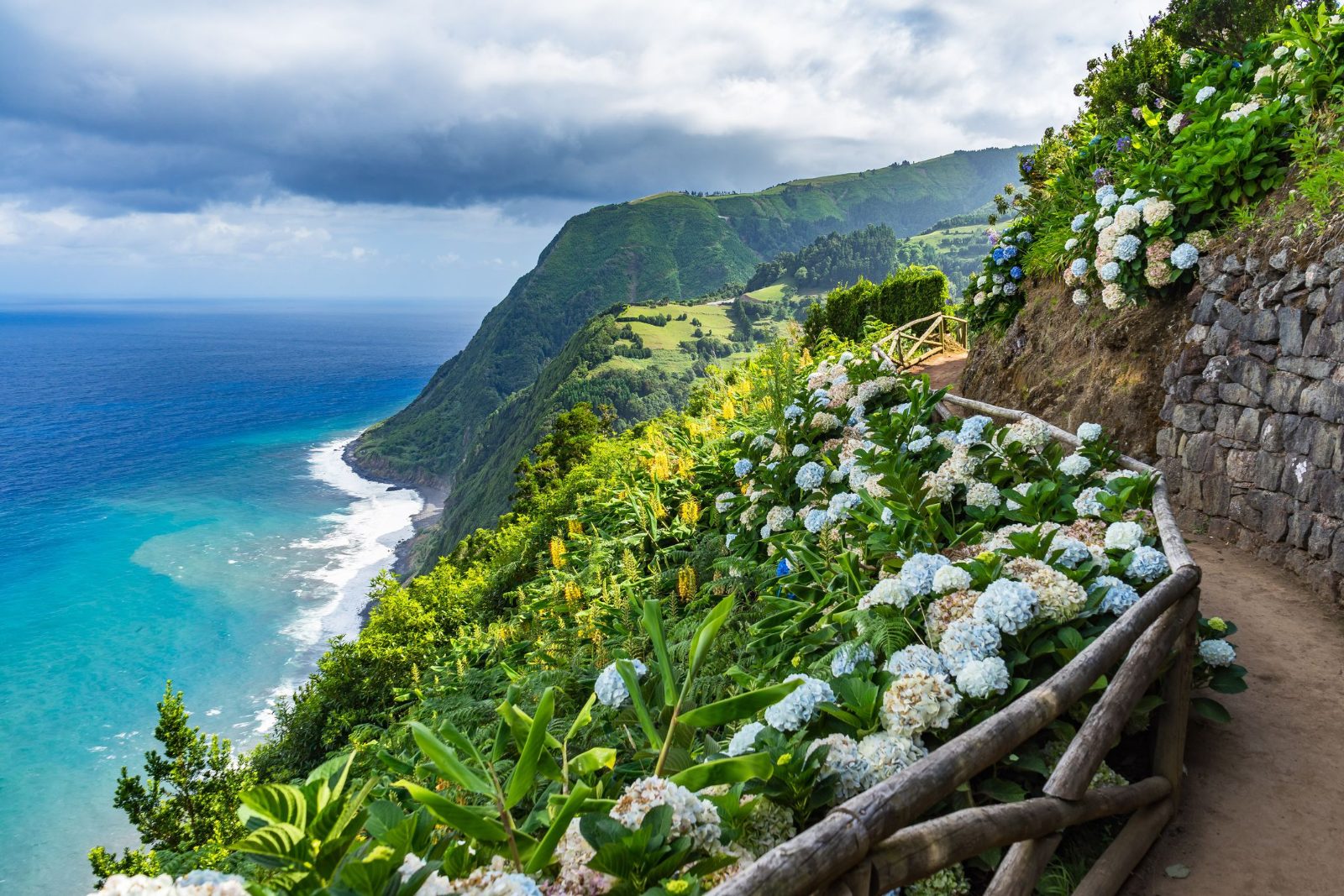
Sperm whales dive to 2,000 metres off São Miguel's southern coast, where the Mid-Atlantic Ridge creates abyssal hunting grounds within an hour's sail of Ponta Delgada.
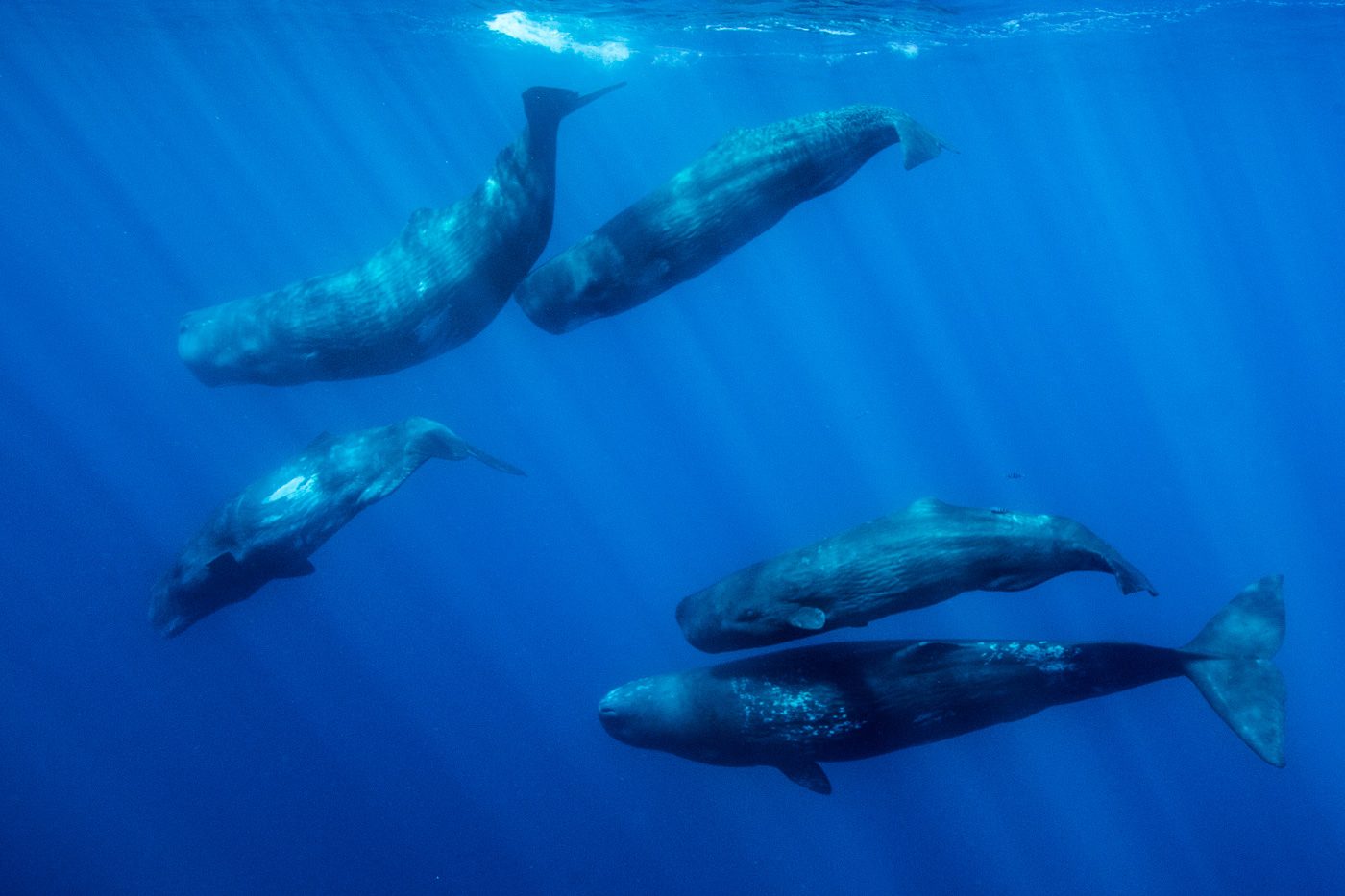
The Azores archipelago sits atop a volcanic hotspot that drops precipitously into some of the deepest water in the North Atlantic, and this bathymetric geography has made the islands a year-round residence for matriarchal pods of Physeter macrocephalus. Unlike seasonal migration corridors farther north, the nutrient-rich upwellings along the Azorean slope sustain stable populations of giant squid and deep-sea fish, the primary prey that anchors sperm whale clans to these waters across all twelve months.
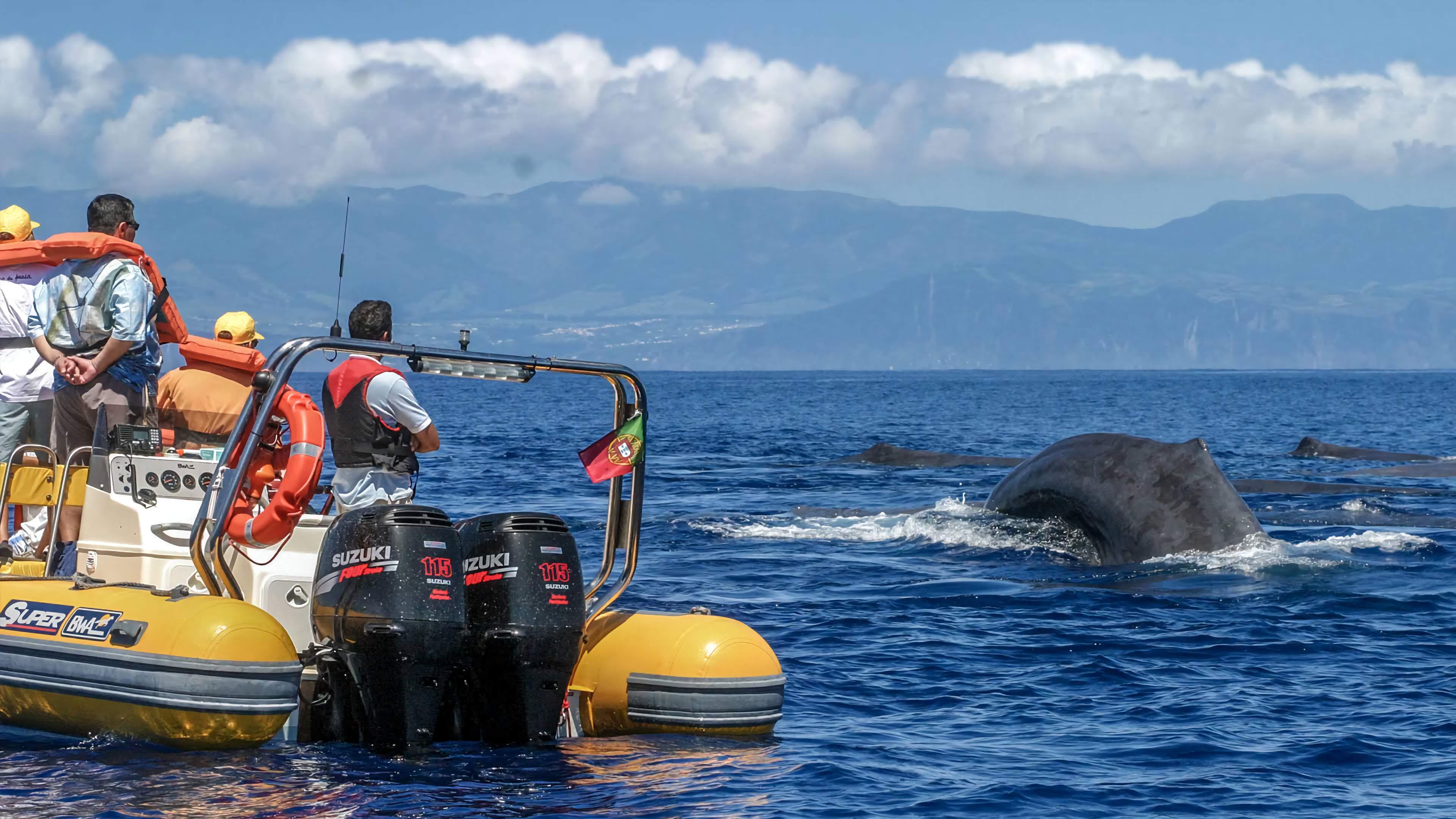
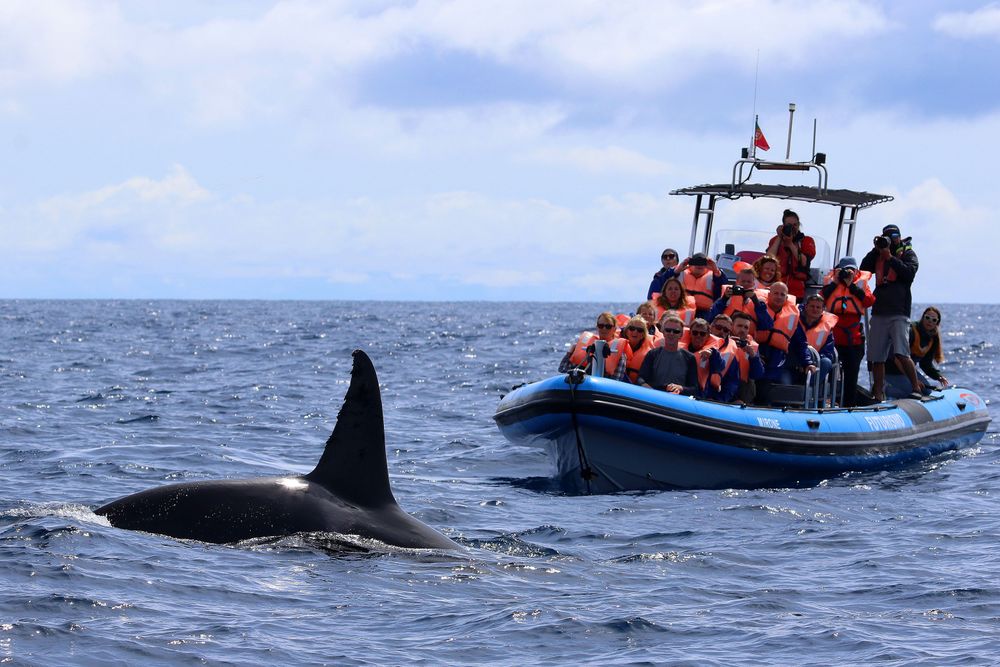
Commercial sperm whale watching azores operations began in the mid-1990s, repurposing the vigias—stone lookout towers built during the island's 19th-century whaling era—as spotter stations for tourism rather than harpoons. Former whalers transitioned to conservation-oriented guiding, and the vigia network remains operational today, with shore-based observers radioing GPS coordinates to rigid-hull inflatables. This land-to-sea communication system shortens search time and reduces engine noise near pods, a protocol that has contributed to São Miguel's reputation for responsible cetacean encounters. The International Whaling Commission designated the Azores an important habitat zone in 2004, and regional legislation now mandates 50-metre approach distances and prohibits bow approaches when calves are present.
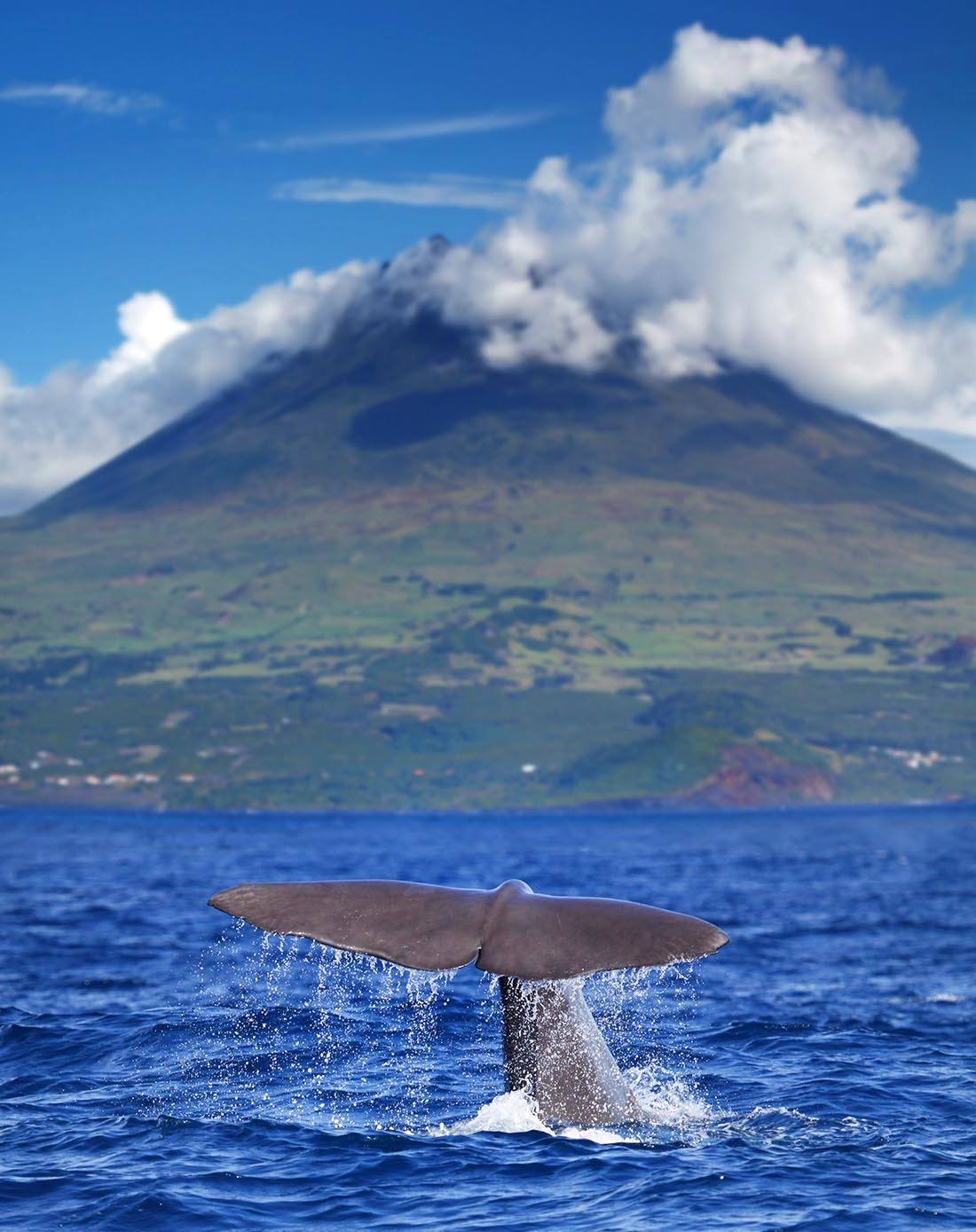
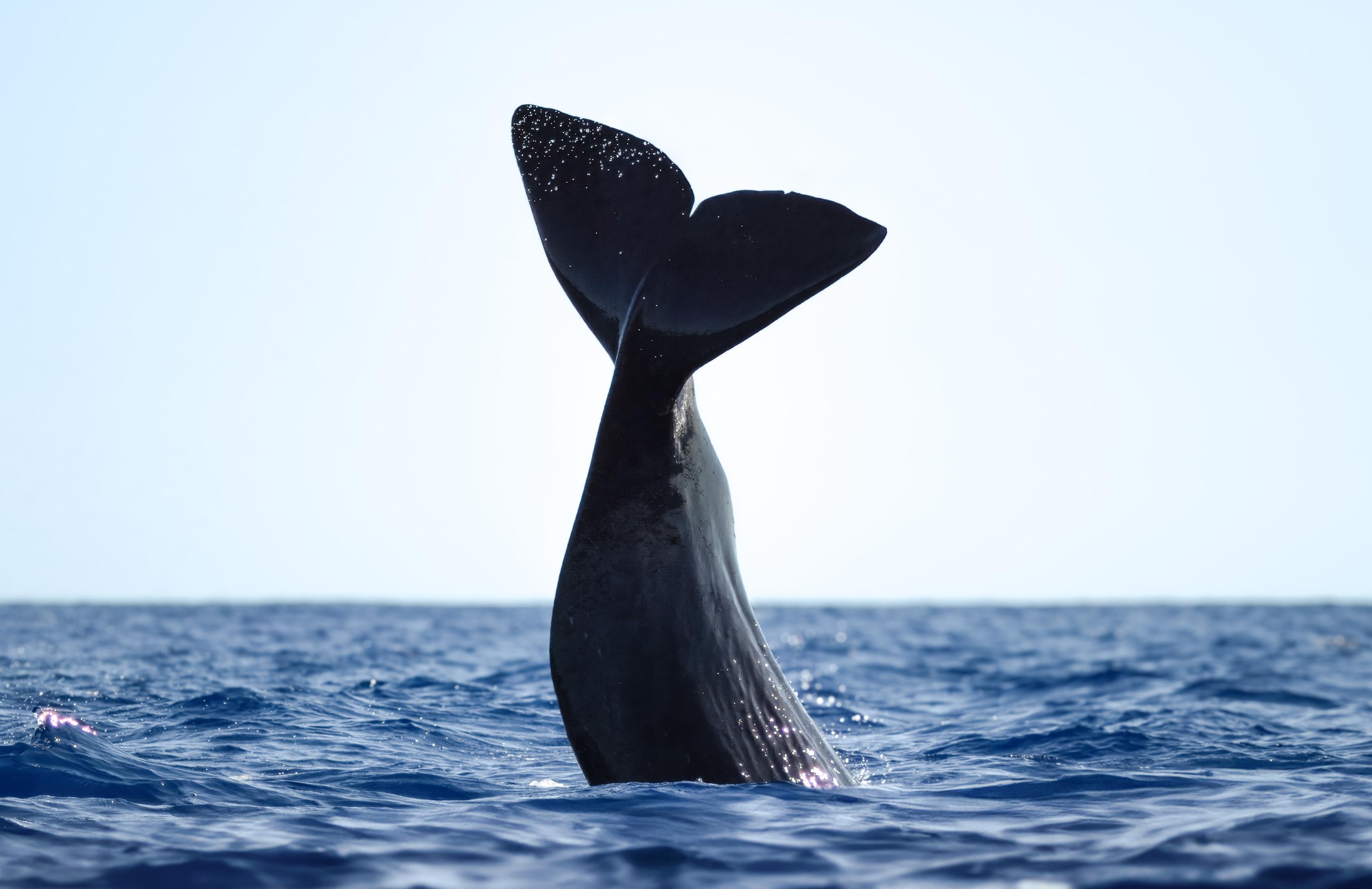
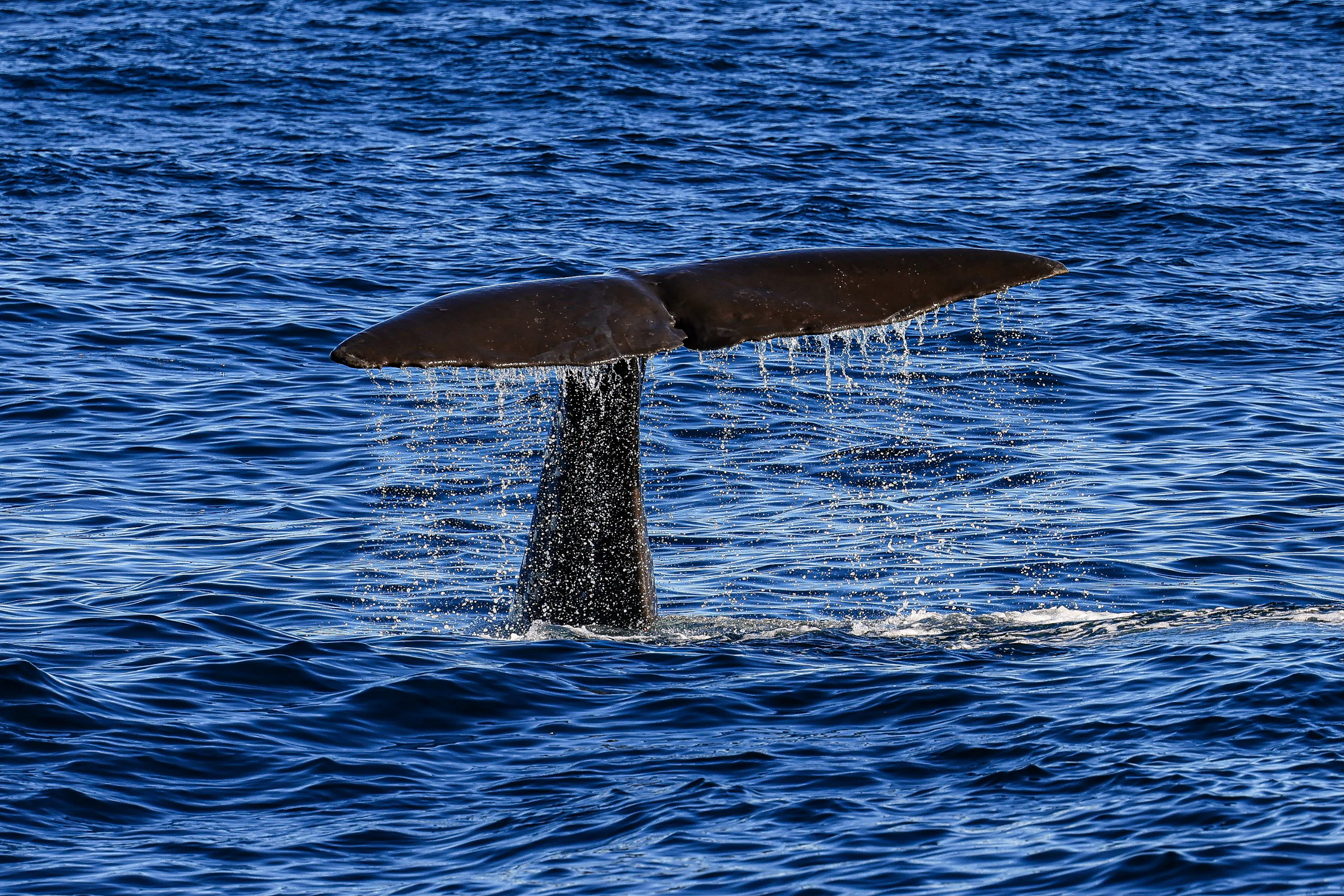
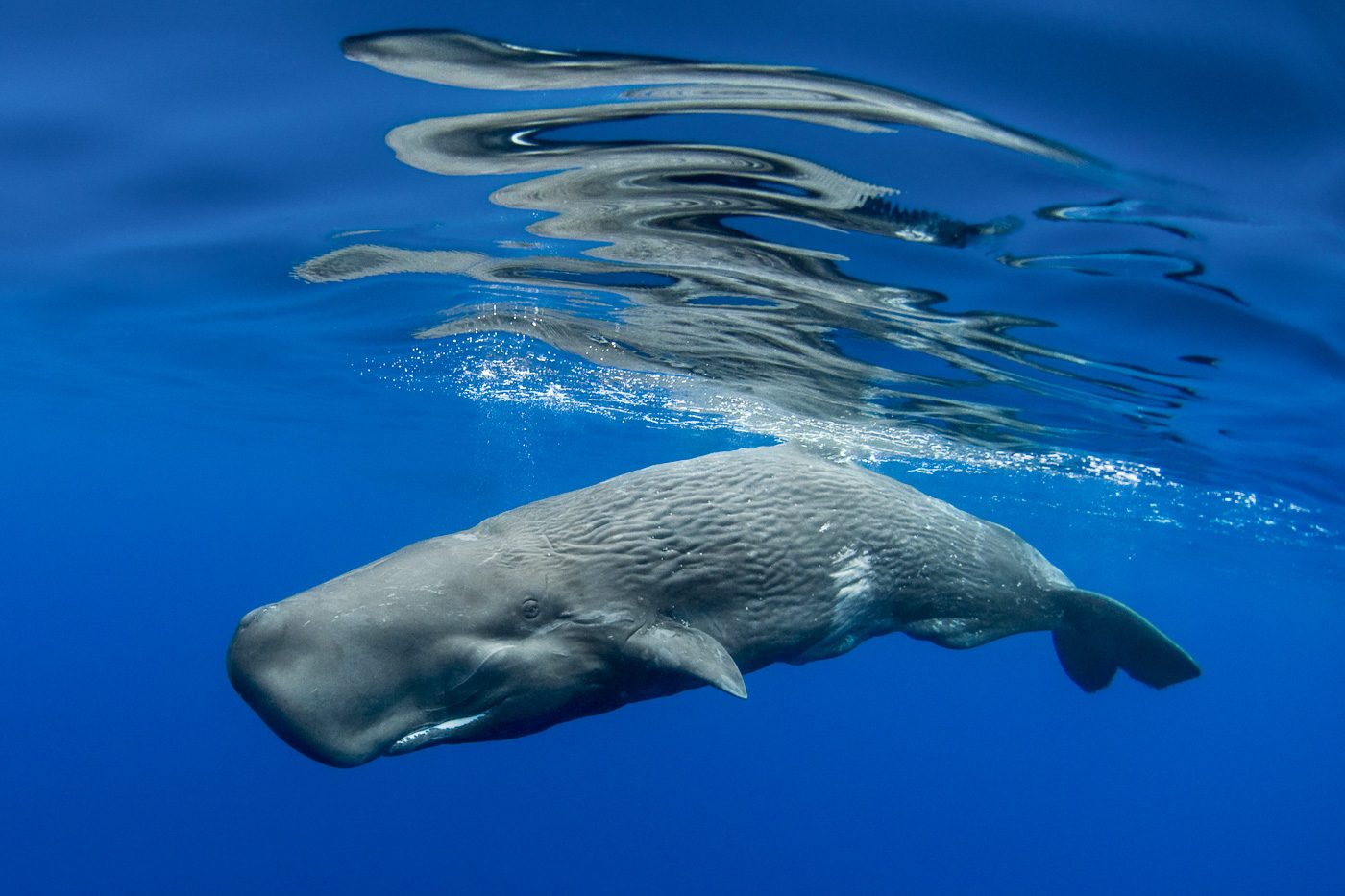
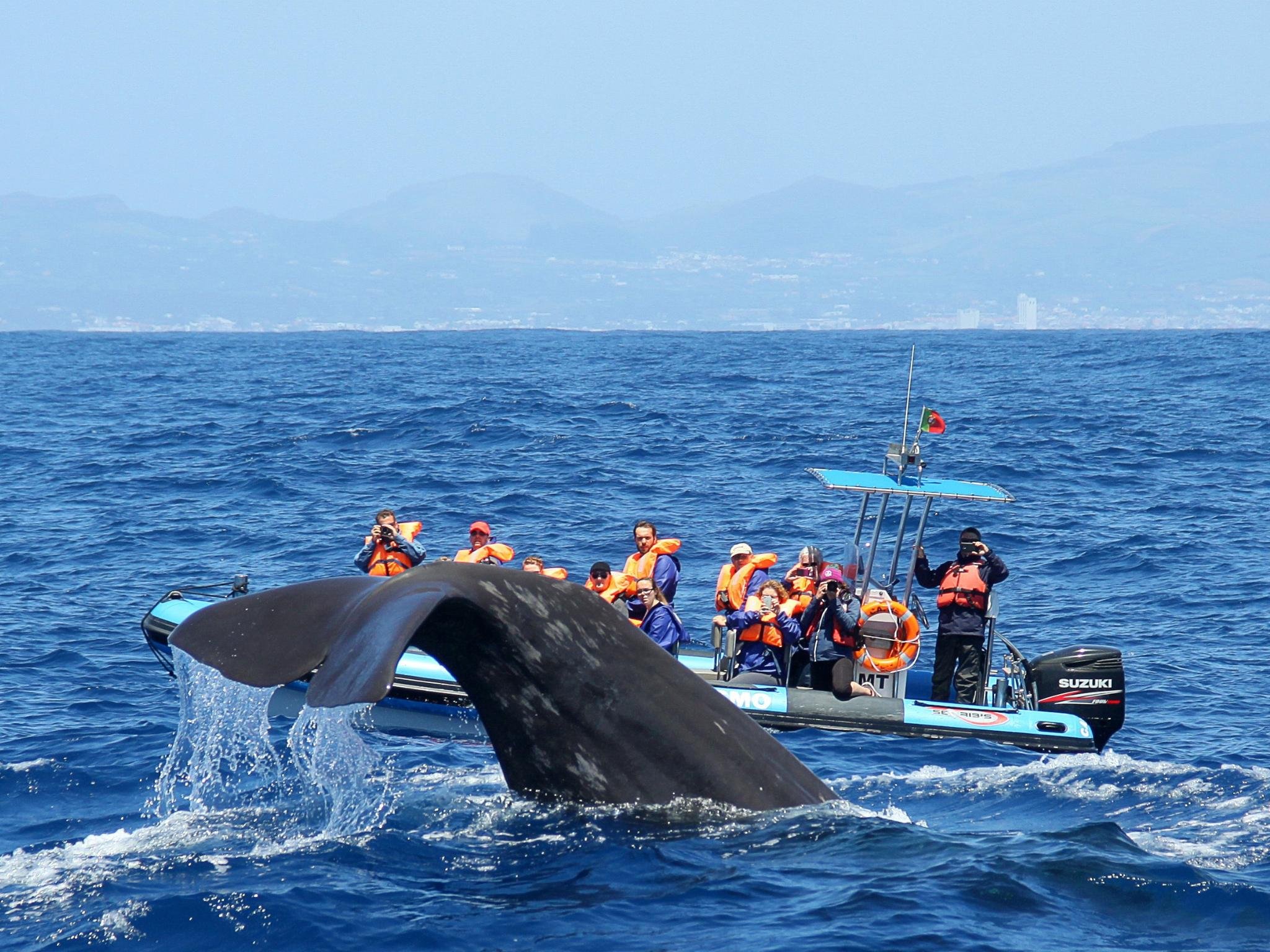
Sperm whales exhibit sexual dimorphism rare among cetaceans: males reach 16 metres and 45 tonnes, while females average 11 metres. The pods observed off São Miguel are predominantly female family units, with males departing for polar feeding grounds after adolescence and returning only for seasonal breeding. Surface intervals between dives last 8 to 12 minutes, during which the whales perform a characteristic sequence—blowing a forward-angled spout, logging motionless to oxygenate tissue, then arching to sound. The flukes, spanning four metres, rise vertically before a deep dive, and each fluke's trailing edge carries unique notches and scars that researchers photograph for long-term identification databases. São Miguel's resident population includes individuals catalogued since the 1980s.
Hydrophone equipment aboard most sperm whale watching azores tours allows passengers to hear the echolocation clicks—sharp, rhythmic pulses that intensify as the whale descends and begins hunting. These clicks, among the loudest biological sounds on Earth, can exceed 230 decibels and are believed to stun prey at close range. The Azorean season peaks in spring and summer when calf births increase surface activity, but encounter probability remains above 60 percent even in winter months. Sightings often include pilot whales, Risso's dolphins, and Atlantic spotted dolphins, species that share the archipelago's pelagic zone.

"The flukes, spanning four metres, rise vertically before a deep dive, and each fluke's trailing edge carries unique notches and scars that researchers photograph for long-term identification databases."
A step-by-step walkthrough of Sperm Whale Watching Azores tickets — what you'll see, how long each stage takes, and the details that matter.
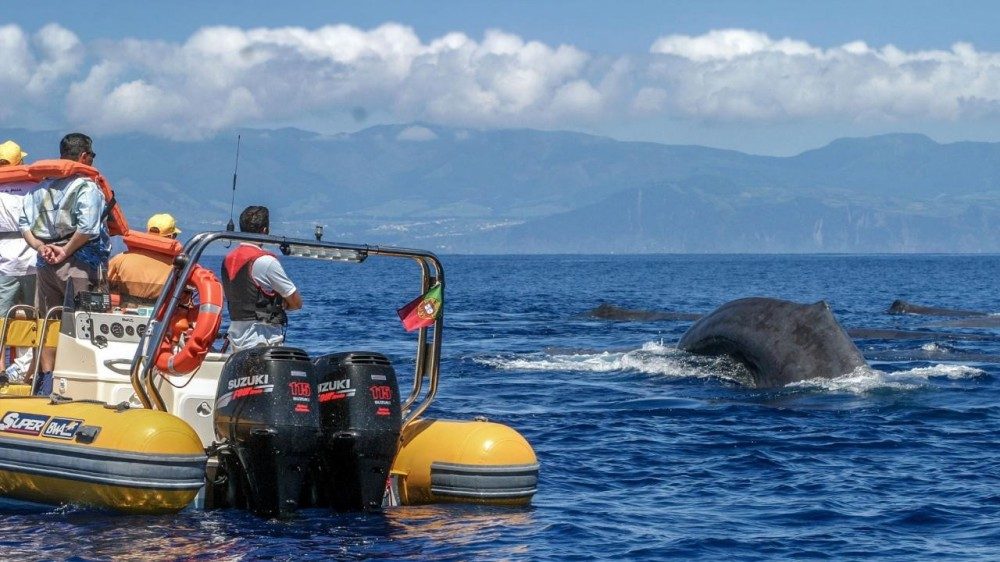
You board a semi-rigid inflatable at Marina Pêro de Teive shortly after eight o'clock, when the Atlantic swell is lowest and visibility extends past the horizon.
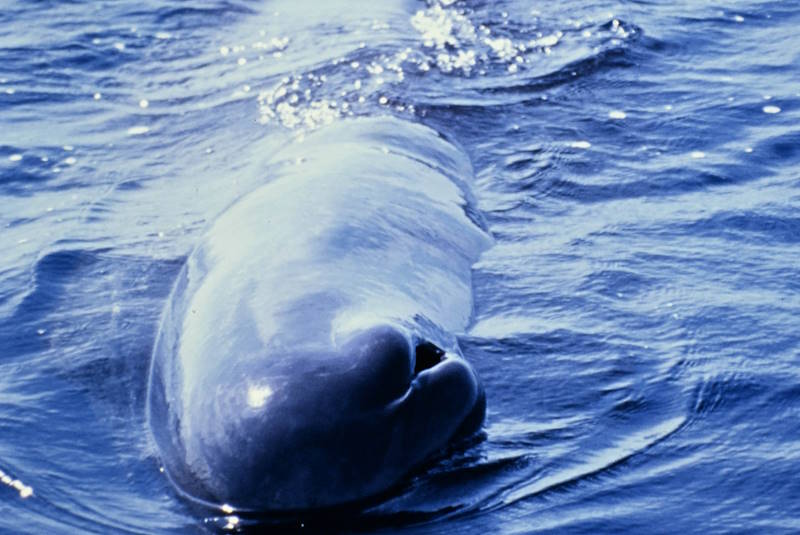
The skipper receives a radio call from the vigia—a spotter in a hillside stone tower—reporting a pod 12 kilometres southwest, and the boat accelerates to 25 knots, spray misting over the bow as São Miguel's coast recedes into a dark green line. Within 20 minutes the engine cuts to idle, and you scan the water for the telltale forward-angled blow, a bushy white plume that hangs in the air longer than the vertical spouts of baleen whales.
The first whale surfaces 40 metres off the port side, logging motionless while its blowhole opens and closes in steady rhythm. The marine biologist onboard lowers a hydrophone, and through the boat's speaker you hear the staccato clicks—slow at first, then accelerating into a buzz as the whale prepares to dive. Its back arches, the small dorsal hump rising, and the flukes lift clear of the water in a perfect vertical, seawater streaming from the trailing edges. The dive lasts nine minutes. You wait in silence, the boat drifting, until the whale resurfaces closer, close enough to see the corrugated skin and the leftward angle of the blowhole. Three more individuals appear, part of the same matriarchal unit, and for the next half-hour the pod cycles through surface intervals while you photograph fluke patterns and listen to the underwater symphony of echolocation.
The marina office is open daily from 08:00–19:00.
Yes, there is 0 EUR entrance fee to access the marina office area.
The best arrival window is 08:00–13:00 to capitalize on calm morning sea conditions.
Yes, families are welcome, though operators often set age minimums based on daily sea states.
Bring sunscreen, sunglasses, a waterproof jacket, and seasickness medication for your trip.
Book sperm whale watching azores tickets directly via the official site or authorized operators at the marina.
Yes, light snacks and water are recommended, though you should avoid bulky items.
Access varies by vessel; please contact the operator at +351 296 283 288 regarding specific mobility needs.
Cancellations must occur 24 hours prior to the tour for a full refund.