
3 hr
Azores Whale & Dolphin Watching from Ponta Delgada
Discover Atlantic cetaceans on a marine biologist-guided adventure through rich Azorean waters
Reserve
Hand-picked by our editors — only the best 5 expeditions from 18 reviewed.
Verified partners for every tour, free cancellation where available, and instant confirmation on every booking.
3 hr
Discover Atlantic cetaceans on a marine biologist-guided adventure through rich Azorean waters
Reserve
3 hr
Hunt for cetaceans aboard a zodiac guided by expert biologists, then circle the volcanic Princess Ring.
Reserve
3 hr
Encounter ocean giants in the Azores with expert guidance and land-based spotters ensuring exceptional sightings.
ReservePrices from verified partners. Availability updates in real time at checkout. Free cancellation policies apply where shown.
The landmarks, rooms, and views travelers on this tour remember — all visible on a single visit.
The primary hub for boat excursions and local maritime activity in São Miguel.
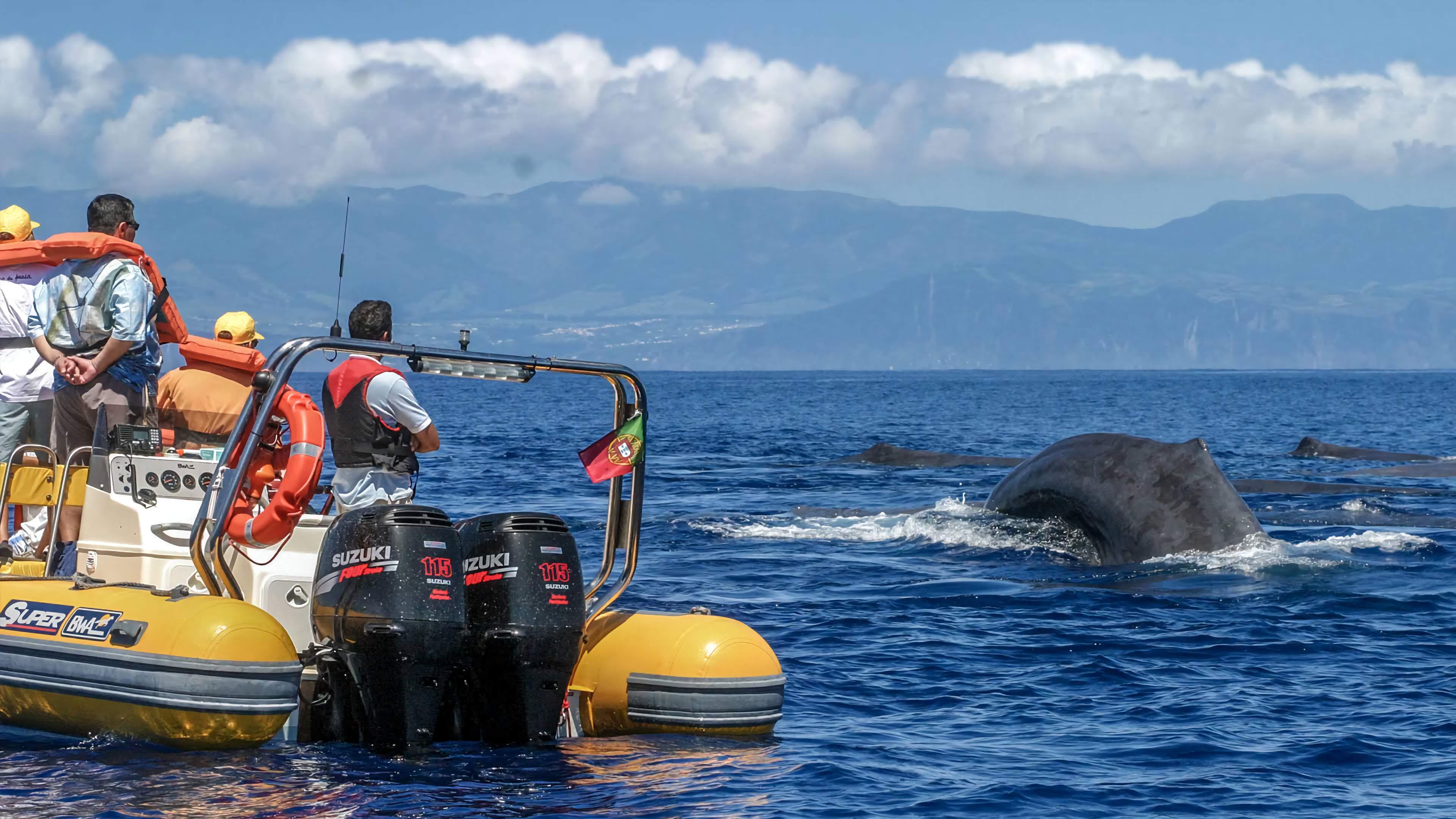
Zodiac boats provide an intimate, high-speed connection with marine life, while catamarans offer superior stability and comfort for those prioritizing a relaxed Atlantic ocean excursion. Choosing between these whale watching azores prices tours depends on whether you seek the agility of a small craft or the amenities of a larger vessel.
| Feature | Top pick Zodiac (RIB) | Catamaran |
|---|---|---|
Vessel Speed |
High (fast reach) | Moderate (slower transit) |
Seating Capacity |
12–20 passengers | 40–60 passengers |
Stability on Water |
Responsive to waves | High stability for comfort |
Accessibility |
Low (requires agility) | High (easy boarding) |
Price point |
65–85 EUR (summer) | 50–70 EUR (summer) |
Proximity to Wildlife |
Very close (low profile) | Moderate (higher viewing deck) |
| See tickets → |
Verdict: Select a Zodiac if you prefer an active wildlife search, or book a catamaran if you prioritize onboard facilities and smooth whale watching azores prices tickets.
Choose your ticket, select your date, and reserve in under two minutes. Secure checkout handled by our verified partner.
Instant confirmation by email, with a mobile voucher you can save offline. No printing, no queuing at a collection desk.
Arrive at the entrance, show your voucher on your phone, and walk in. Most tickets include priority or skip-the-line access.
Practical details for your visit straight from our verified partners — hours, access, rules, and how to get there.
Portas do Mar, 9500-771
Check in here for whale watching azores prices tours
Parking available near Portas do Mar
Direct drop-off at marina entrance
Wear layered clothing and a windbreaker to stay comfortable against Atlantic sea breezes. Sturdy, non-slip footwear is recommended for moving safely on the boat deck.
Keep belongings minimal as space on vessels is limited. Secure all loose items to prevent them from falling overboard during high-speed transit.
Waterproof housing for cameras or phones is strongly advised. Maintain a firm grip on equipment, as marine mist and motion can pose risks to electronics.
Vessels vary in accessibility features; consult your specific operator regarding boarding assistance. The Portas do Mar area provides paved walkways suitable for most mobility needs.
Mobile phone use is permitted, though service may be intermittent once away from the coast. Keep devices tucked away during initial departure for safety.
Children are welcome on board, but life jackets must be worn at all times by younger guests. Ensure the excursion selected matches the age restrictions of the provider.
Carry your own water and light snacks, as these are not always provided on shorter excursions. Avoid heavy meals immediately before departure to manage potential motion sickness.
Pets are strictly prohibited on whale watching vessels for safety and environmental protection reasons. Service animals require prior authorization from the tour operator.
Always follow the instructions of the skipper and marine biologists on board. Respect the cetaceans by maintaining the required distance as directed by local regulations.
Portas do Mar, 9500-771
Check in here for whale watching azores prices tours
Get directionsBest time to go, insider tips, nearby landmarks, and the cancellation fine print — flip through to skim what matters to you.
How crowds, weather, and events shift across the year.
April to June is prime for blue whales and migration.
July to September offers stable weather and warmer waters.
October is excellent for spotting various dolphin species.
08:00–13:00 is best for calmer sea conditions.
Small details that turn a good visit into a great one.
Reserve whale watching azores prices tickets in advance to ensure availability during peak travel months.
Monitor local weather forecasts, as sea state dictates the ability to find marine life effectively.
Temperatures at sea are significantly cooler than on land, so bring a jacket even in summer.
Bring ample water as salt air can lead to quick dehydration during long trips.
Ask questions during the briefing to learn about specific species you might encounter.
Opt for morning departures to leverage the calmer waters for better visibility.
Non-bookable sights within a short walk — free to visit, easy to pair.
Iconic stone arches representing the entrance to the historic city center.
A grand 16th-century church known for its Manueline architecture and ornate interior.
Features extensive exhibits on the natural history and ethnography of the Azores.
Historical military fortification guarding the harbor with displays of antique weaponry.
Flexible, no hidden fees.
Cancellations made at least 24 hours in advance receive a full refund. Entrance fee is 0 EUR, while tour prices vary by operator and season.
Hand-picked options within walking distance — pick a district for vibe, or a specific hotel for convenience.
Overlooks the harbor and major boat docks.
Large resort property with botanical gardens.
Reliable option located near the city center.
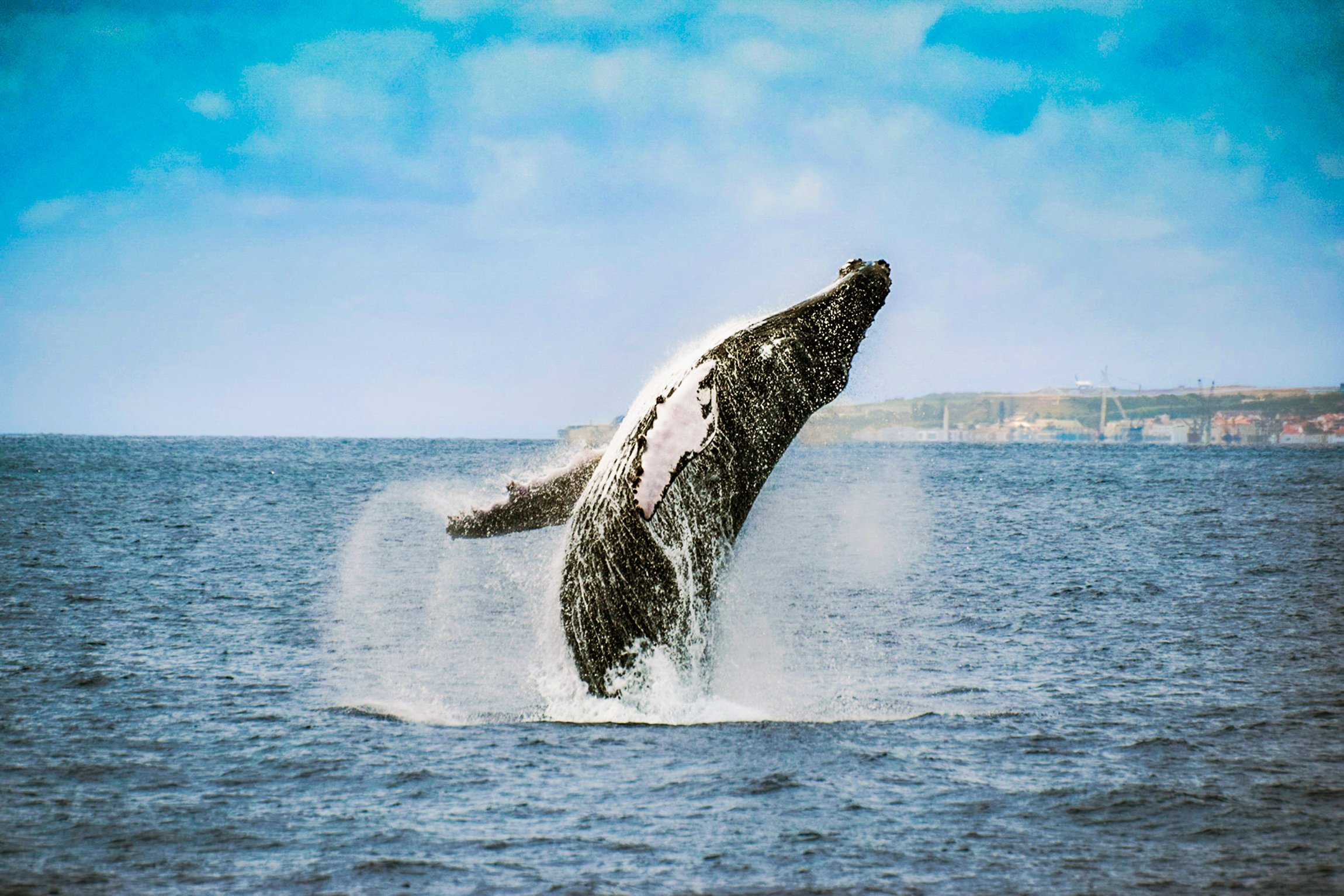
São Miguel sits atop the Mid-Atlantic Ridge, where tectonic plates pull apart and abyssal canyons plunge to 3,000 metres within eight nautical miles of shore. That bathymetry draws resident sperm whale pods year-round—the deepest-diving mammals on Earth, capable of hour-long descents to hunt giant squid in total darkness. Portuguese whalers worked these waters until 1987, when the Azores pivoted from harpoon stations to conservation tourism. Former vigias—clifftop whale spotters who once directed hunting boats—now radio coordinates to eco-certified operators, their binoculars scanning the same horizon for blowholes instead of profit. Whale watching azores prices reflect the archipelago's unique research infrastructure. Every licensed departure carries a marine biologist trained in photo-identification protocols; sighting data feeds the University of the Azores' long-term population studies. Sperm whales are the statistical anchor—present in 60 percent of trips across all seasons—but 28 cetacean species transit or reside here, from blue whales migrating in spring to year-round pods of common dolphins and Risso's dolphins with scarred, ghostly flanks. The volcano-heated Gulf Stream current funnels nutrient upwellings through the archipelago's inter-island channels, sustaining one of the Atlantic's densest concentrations of marine megafauna. Ponta Delgada's Marina de Portas do Mar hosts the island's certified fleet, zodiacs and catamarans alike bound by strict approach protocols: no bow rides, no engine cuts within 50 metres, no pursuit if the animal dives. Azores whale watching tour operators work under regional legislation that predates most European marine protected area frameworks, a legacy of the region's shift from extraction to stewardship. Hydrophones onboard some expeditions capture the click trains of hunting sperm whales, each signature pattern catalogued like a voice print. The vigias' radio calls still use the old whaling codes—"sopro a dois milhas"—but now they guide witness rather than weapon. Operators run morning and afternoon slots from the marina's southern quays, where the scent of diesel mingles with brine and the clatter of rigging carries across the breakwater. Departure windows align with tidal slack and the thermals that lift seabirds—gannets, Cory's shearwaters—over feeding zones where cetaceans converge. Every tour contributes a sighting report to the Azorean Biodiversity Portal, turning recreational trips into distributed research. The ocean here is cold work: surface temperatures hover at 18°C even in summer, and the open Atlantic swell builds fast when wind opposes current.
"Former clifftop whale spotters now radio coordinates to eco-certified operators, their binoculars scanning for blowholes instead of profit."
A step-by-step walkthrough of the visit — what you'll see, how long each stage takes, and the details that matter.
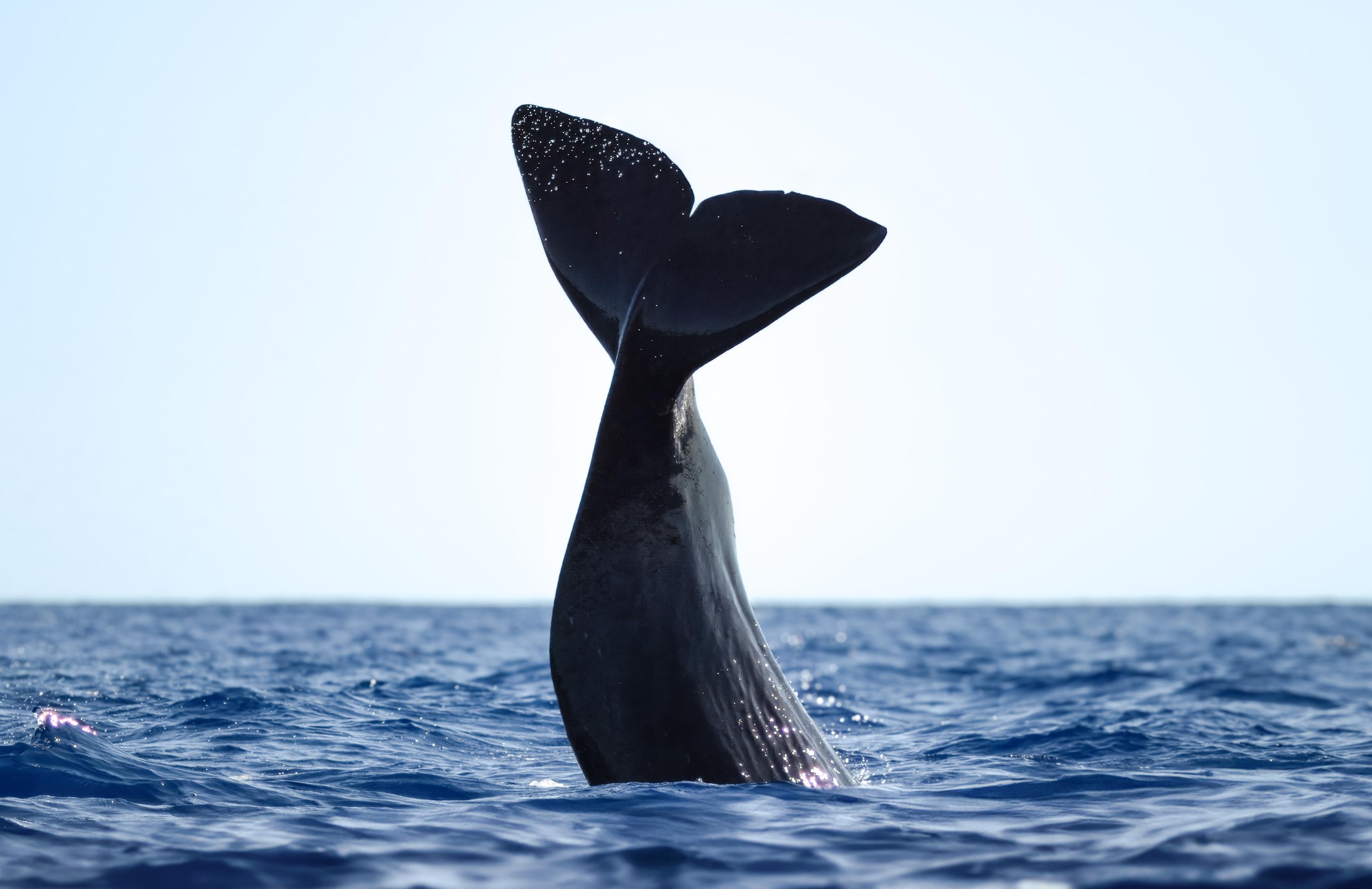
You meet at the Portas do Mar marina before 08:30, when the breakwater is still in shadow and the crew is loading hydrophones and photo-ID binders onto the zodiac. The safety briefing is terse—life jacket, three-point hold on the rope, no standing when the throttle opens—and then you're clearing the harbour mouth, the rigid inflatable rising onto plane as Ponta Delgada's pastel waterfront recedes. The marine biologist crouches near the console, radio pressed to one ear, translating the vigia's coordinates into compass bearings. Twenty minutes out, the engine cuts to idle. You scan the horizon for the diffuse, bushy blow of a sperm whale—not a plume but a leftward puff, the angled exhalation of a creature whose nostril sits off-centre. When the call comes, the boat pivots and approaches at quarter-throttle, stopping 100 metres off. The whale surfaces in a glossy arch, dorsal hump rolling through the swell, and breathes in slow, deliberate cycles. You count eight blows before the fluke rises—black, scalloped, streaming—and slides under. The biologist radios the fluke pattern to shore; someone onshore will match it against the photo catalogue tonight. On the return leg, a pod of common dolphins bow-rides, their bodies pale green under the surface, and you smell them before you see them—sweet, faintly grassy, the scent of a mammal breathing salt air.
The booking offices are open daily from 08:00–18:00.
Cancellations made 24 hours prior are fully refundable.
The best arrival window is 08:00–13:00 to catch the calmest sea conditions.
Yes, families can join, but children must wear provided life jackets.
Wear layered, windproof clothing and flat, non-slip footwear.
You may bring a small bag, but ensure it is secure as space is limited.
Most tours do not provide meals, so consider bringing your own water and snacks.
The meeting point is at Portas do Mar, Marina de Ponta Delgada, easily accessed by taxi or car.
You can visit the Ponta Delgada City Gates or the Fort of São Brás within a short walking distance.